Animation preproduction · Production guide
Check screen direction and the 180-degree line on a storyboard
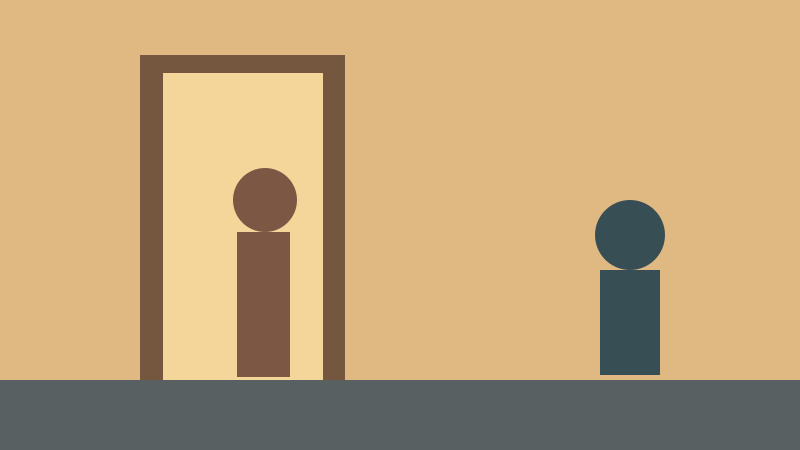
Draw a floor-plan line between the observer and the doorway. Label camera A and its matching shoulder view. Add one deliberate reverse angle that crosses the axis.
Input and decision
Use a plan view of a doorway and a watcher. Mark which side of their line each camera occupies before drawing the corresponding view.
Set up the comparison
Read the cut with arrows indicating gaze and travel. Crossing the axis can be deliberate, but the viewer needs enough visual information to reorient.
Make the comparison
Cover the arrows and show A, B and X in sequence. Ask a viewer where the door is after each cut, then check the answer against the plan.
Worked record
The downloadable worksheet includes the records below and a blank row for your own project.
| Shot | Camera side | Look direction | Travel direction | Bridge shot |
|---|---|---|---|---|
| A | South of axis | Screen right | Screen right | No |
| B | South of axis | Screen left | Same physical direction | No |
| X | North of axis | Appears reversed | Needs reset | Re-establish the room |
Check the result
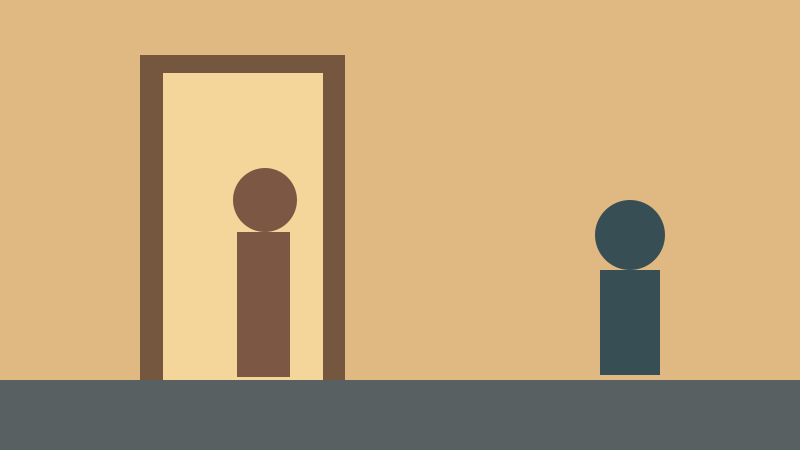
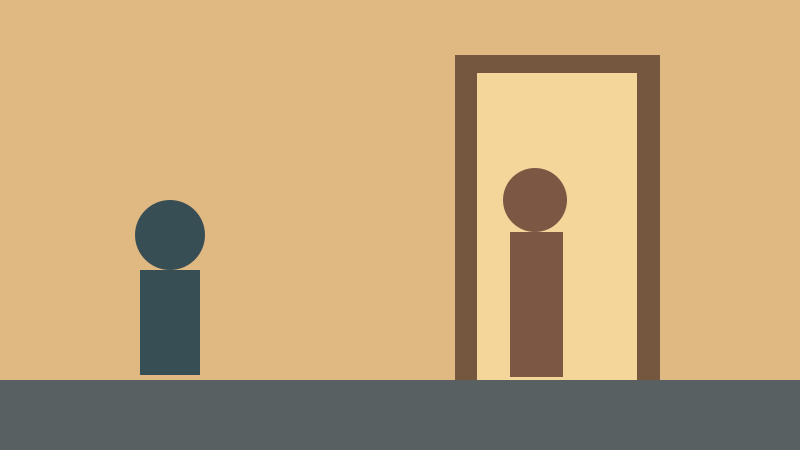
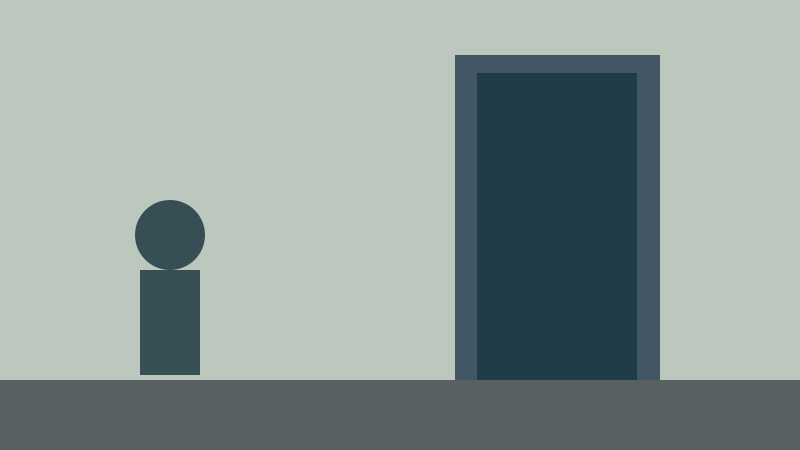
Place the two matching panels beside the crossing example. If the viewer suddenly reads the character as moving backwards, add a re-establishing shot or revise the angle.
Hand off the revision
Label X as the counterexample. Include the plan alongside the accepted shot pair so a new artist can recover the camera side.
Review question
How do I distinguish an eyeline change from crossing the axis?
A and B remain on one side of the axis while X deliberately crosses it. Mark eyeline and travel separately and compare the camera locations on the plan.
Use the task on your own brief
Use a copy of the worksheet to keep the project’s source files, reviewed options and decisions together.