GPT-6 Astra · Creator workshop
GPT-6 Astra YouTube Thumbnails: Three Concepts to Test
A thumbnail should help the right viewer recognize a video worth watching. A striking image that promises the wrong story can win attention and disappoint the person who clicks. Start with the video’s actual payoff, then design a few genuinely different ways to communicate it.
Turn the video into a visual promise
Give Astra the outline or transcript and ask for a concise description of the viewer’s takeaway. It can reason about the brief and use image tools where available. Ciyo is the separate place to generate and arrange your visual assets.
For a fictional video about designing a paper world, the promise might be “a flat sheet becomes a miniature landscape.” That is more concrete than a generic surprised face beside an AI logo.
Choose three different concepts
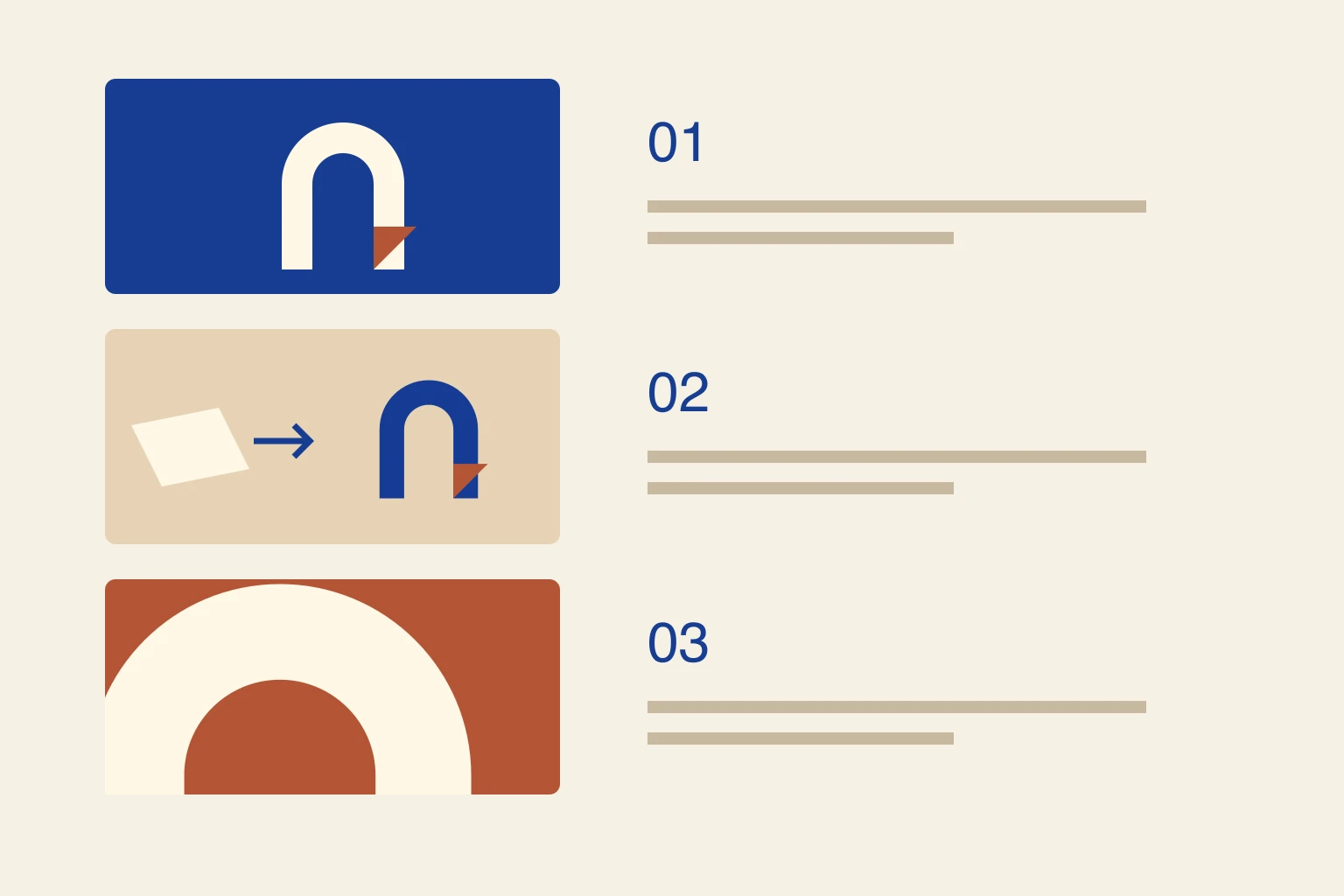
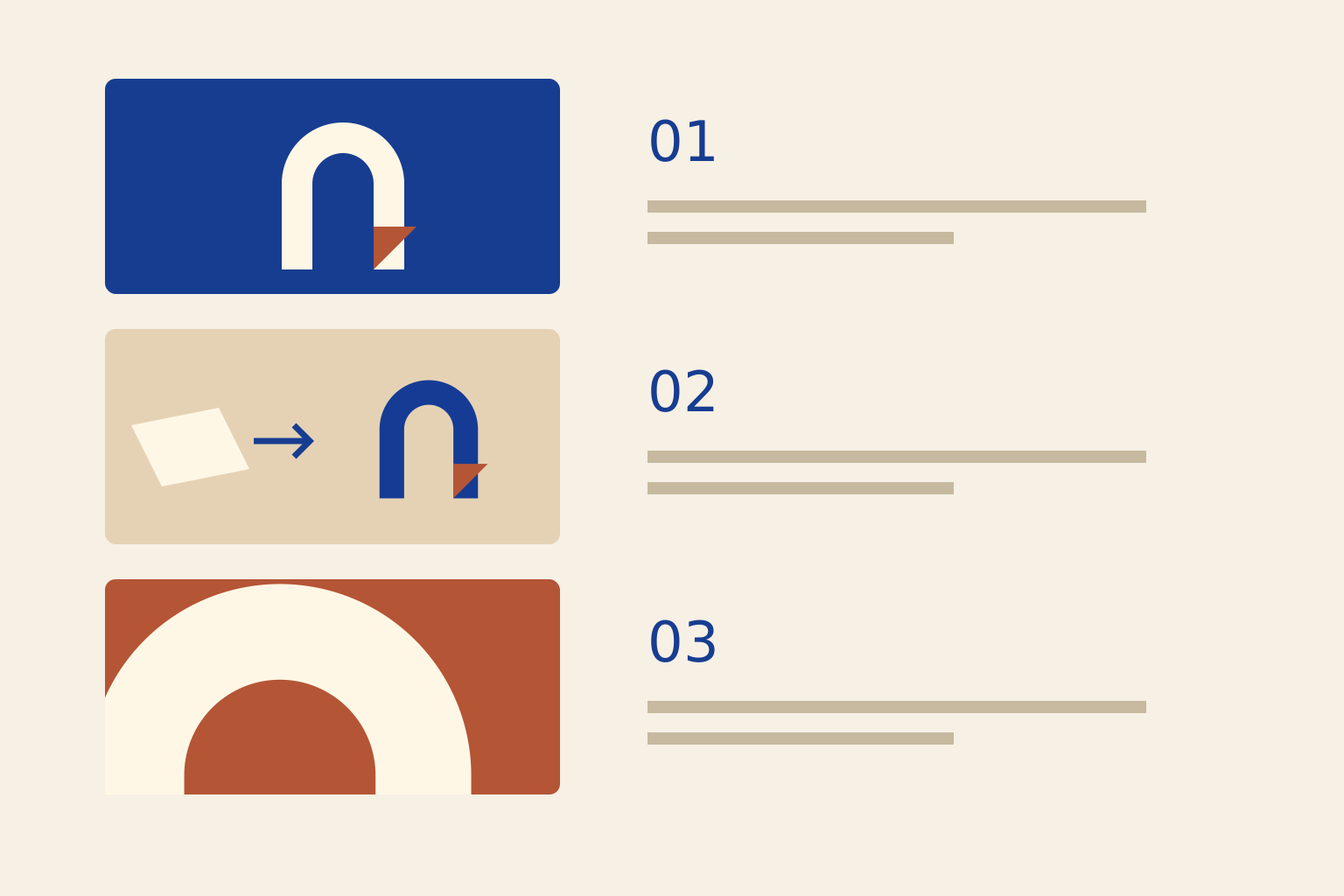
Test different communication ideas before polishing colors. One concept can show the finished object, another the transformation, and a third the surprising detail. Keep each version faithful to the same video.
| Concept | Visual focus | Question |
|---|---|---|
| Result | The finished paper landscape | Is the outcome immediately clear? |
| Transformation | Flat paper beside the completed scene | Is the change readable? |
| Detail | A close view of the tiny bridge | Does curiosity match the video? |
Write a production prompt
Choose one subject, a clear focal point and deliberate space for optional text. Use your own frame or reference when the video features a real project. Do not let a generated image imply that you built something absent from the video.
Plan three thumbnail concepts for a video showing how an ivory paper bridge is built. Use result, transformation and detail as separate ideas. For each, specify subject scale, background, focal point and a short optional headline. Then write an image brief for the result concept: strong cobalt-and-ivory contrast, one bridge, no baked-in words, no invented results.Create and inspect the assets in Ciyo
Generate the selected concept with the relevant reference. Keep text separate when it must be exact. Inspect the composition at a small display size: if the bridge disappears, more rendering detail will not solve the hierarchy.
Export the image and check the file you will upload. YouTube’s September 9 documentation recommends 3840 × 2160 for video thumbnails and 2160 × 3840 for Shorts; formats and upload limits vary by device. Follow the current linked instructions for the destination.
Evaluate viewer response in YouTube
Where your account and video are eligible, YouTube Studio lets you test up to three title or thumbnail options. Its documented outcome uses watch time share. This is a better basis for a performance claim than choosing the prettiest image in a design review.
Keep the video and test conditions clear. If you change both title and thumbnail, interpret the result as a combined treatment. A small or inconclusive test does not prove that two designs perform identically.
Save what the test actually taught you
Record the visual idea, the uploaded file, the test window and the reported outcome. Keep “looks clearer at small size” separate from “won a viewer test.” The first is a design observation; the second needs audience data.
Use the next video to test a new hypothesis. A bridge close-up succeeding once does not mean every future thumbnail should use the same composition.
Design thumbnail assets in Ciyo
Use your video’s real subject as a reference and make distinct thumbnail assets for an audience test.