From the creator community
GPT-6 Astra’s Aevra Car Ad: The Workflow Reddit Asked For
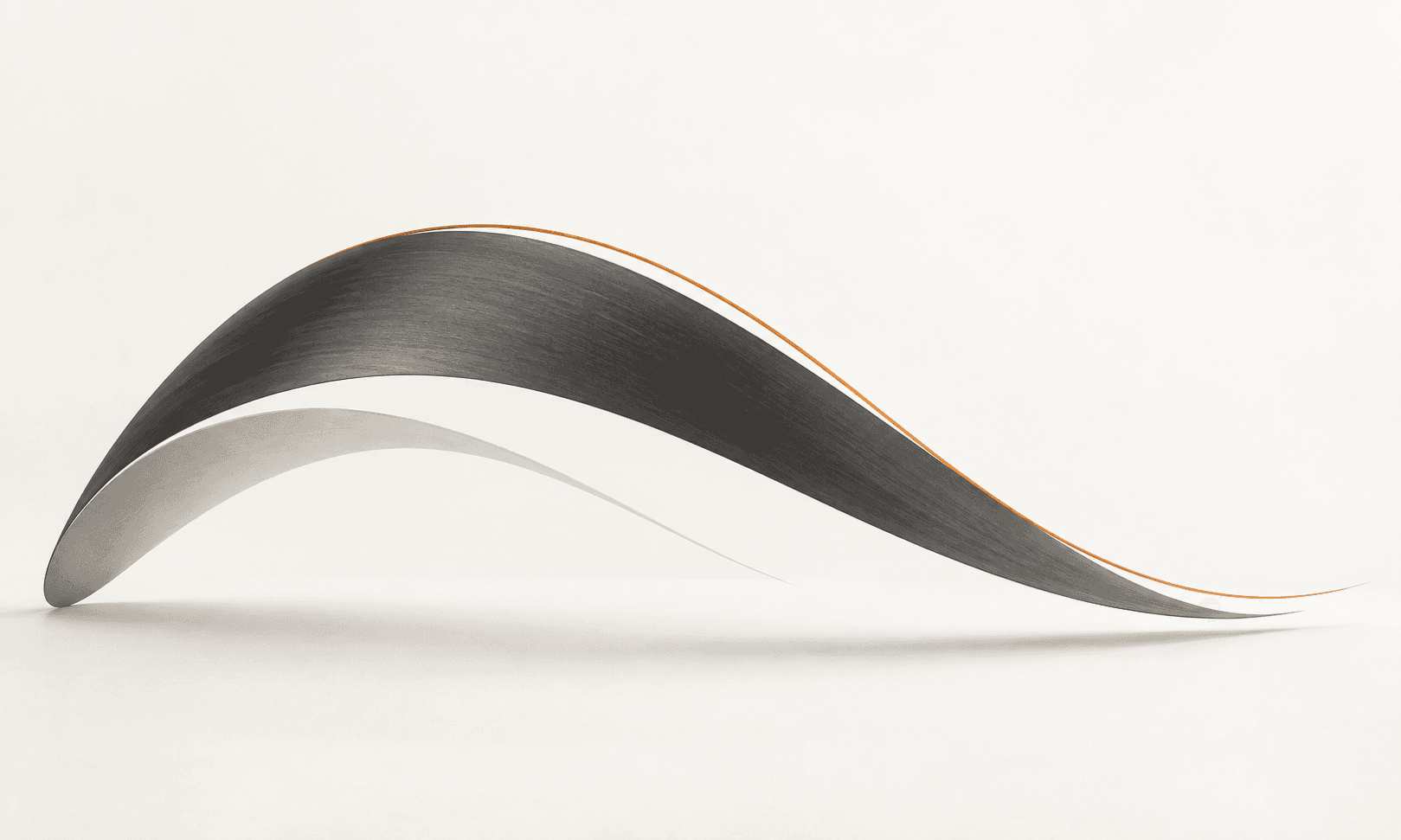
Reddit’s Aevra car commercial is an unusually useful Astra example because the creator answered the question everyone building an AI ad eventually asks. What was the workflow? In r/vibecoding, u/Rare_Guide_9830 described researching luxury-car commercials, designing the car, making storyboard images and generating the clips. They also reported pushing back on quality roughly five times.
The replies give the demo a second lesson. People admired the film while questioning its generic branding and slogan. A polished sequence can attract attention before it gives a fictional product a convincing identity. Here is a worked approach to the creative decisions behind that kind of film, using an original concept car and a Ciyo asset workflow.
Watch the commercial, then read the creator’s reply
The creator names image-gen-2 for the car design and Veo 3.1 for video. They describe studying commercials from brands including Aston Martin and Porsche to work out an editing approach. That is a multi-tool production process with revisions, rather than evidence that Astra alone renders a finished commercial.
The source matters because it separates the visible result from the work behind it. Use the post to study the sequence and the discussion to identify unresolved decisions. Our shot plan below is an original exercise; it is not the creator’s unpublished prompt or a claim to have reproduced their result.
Original community post and creator media. Our Ciyo adaptation follows the case study.
Give your fictional car one visual idea
For this exercise, imagine an unbranded graphite two-seat coupe built around a narrow amber running light. Its identity card has four fixed features: a short rear deck, an uninterrupted roof arc, five-spoke wheels and that single amber line. The creative idea is a quiet departure before the city wakes. It gives lighting, setting and pace a shared reason to exist.
Ask Astra to describe the three-quarter front, side and rear views before requesting cinematic locations. Contradictions are cheaper to catch in the description. If the rear view requires a different roof or wheelbase, resolve that before any motion. In Ciyo, create and approve one hero reference, then use it as the visual reference for each related shot.
Build a six-shot film with a recognizable car
A useful fifteen-second exercise has a reveal, two identity details, one action and a closing image. The timings in this table are editorial targets, not generation settings or platform requirements. Create clips using the lengths the selected video model actually offers, then trim them in your editor.
Keep the same car reference attached to every image-generation request. A beautiful alternate car is a rejected frame. Use Image to Video only after the first and last visible state of the intended shot make sense. Ask for a modest camera move before combining fast driving, reflections, rain and wheel rotation.
| Edit time | Frame to prepare in Ciyo | Purpose |
|---|---|---|
| 0–2 s | Dark front three-quarter; amber light visible | Introduce the distinguishing feature |
| 2–4 s | Close view of the same light and body seam | Make the identity legible |
| 4–6 s | Side profile at a quiet curb | Establish the complete silhouette |
| 6–10 s | Same coupe moving through a simple dawn setting | Give the reveal a small action |
| 10–12 s | Wheel and lower body with restrained motion | Add a tactile detail |
| 12–15 s | Stationary hero with clear space for live text | Name the concept and finish cleanly |
Use feedback that changes the next frame
In the source discussion, criticism of the slogan is a reminder to review words independently of imagery. For our concept, a line about a quiet departure fits the dawn scene; a broad promise about feeling everything does not explain a distinctive product idea. Keep the final name and line as editable text in the finishing tool.
For visual feedback, name the discrepancy and its location. “The rear wheel gained a sixth spoke” is actionable. “Make it more premium” can change the whole direction. Give Astra your approved reference and a contact sheet of candidates, ask for a discrepancy list, and decide which corrections actually matter before generating replacements.
Plan a fifteen-second concept film for an invented graphite two-seat coupe. Fixed identity: narrow amber running light, continuous roof arc, short rear deck, five-spoke wheels. Creative idea: leaving a sleeping city at dawn. Return six shots with edit duration, composition, light, one motion instruction and a continuity check. Separate still-image prompts from motion prompts. Reserve text space in the final frame. Use no existing car badge or unsupported performance claim. Flag any missing reference before adding a new angle.Review continuity across cuts
Inspect the end of one clip next to the beginning of the next. The audience may forgive a small texture change while immediately noticing a different roofline. This review should happen before you add music, because a strong soundtrack can make an inconsistent sequence feel finished.
If a detail shot keeps drifting, replace it with a simpler approved angle. A short film does not need to show every feature. Ciyo supplies the still and motion assets in this adaptation; assemble cuts, live titles and licensed audio in a separate editor.
| Question | Useful check | Next action |
|---|---|---|
| Is it the same car? | Compare roof, lights and wheels across adjacent frames | Regenerate only the inconsistent shot |
| Does the ad have an idea? | Describe it without saying luxury or premium | Rewrite the visual premise if it is empty |
| Does the copy fit? | Read the closing line without the soundtrack | Replace vague or misleading wording |
| Is the concept clearly fictional? | Check the caption, title card and destination page | Label the concept where viewers will encounter it |
Turn the film into a useful campaign asset
Export a still hero and a short teaser from the same approved reference family. They should send viewers to an explanation of the concept, including what was imagined and how the assets were made. A fictional car film is a creative demonstration, so presenting it as a real vehicle available to order would undermine the work.
For an actual client, replace the invented identity card with approved product photographs and claims. Keep the shot list, rejected-frame notes and final asset names with the project. That package makes the next campaign easier to revise than a folder of attractive but unrelated outputs.
Questions about this workflow
Did Astra itself generate the Aevra video?
The creator describes Astra coordinating research and planning, image-gen-2 for the car and storyboard, and Veo 3.1 for the clips. That is the creator’s reported workflow, not a native Ciyo integration.
Can I follow this with Ciyo?
You can use Ciyo to create referenced concept frames and image-to-video assets. Astra planning and the final edit happen separately. Review each output before expanding the shot set.
Make the first frame of your concept film
Start with one distinctive fictional product and one approved hero image. Use that reference to keep later shots coherent.